In honor of Ebooks 40th Birthday, here’s another post on ebooks. If you want a chance to win the Birthday Present from this celebration, click on over to yesterday’s post and comment, answering the question I ask there.
Are print books relics of the past, doomed to disappear? Will ebooks completely take over? As a publisher that has gone entirely to producing ebooks AND as an avid reader and collector, with a REALLY good sized home library of real print books, (and ebooks,) AND as an owner of an eReader (and several ebook apps) {understatement} – here’s my entirely unscientific, but not unbiased, opinion.
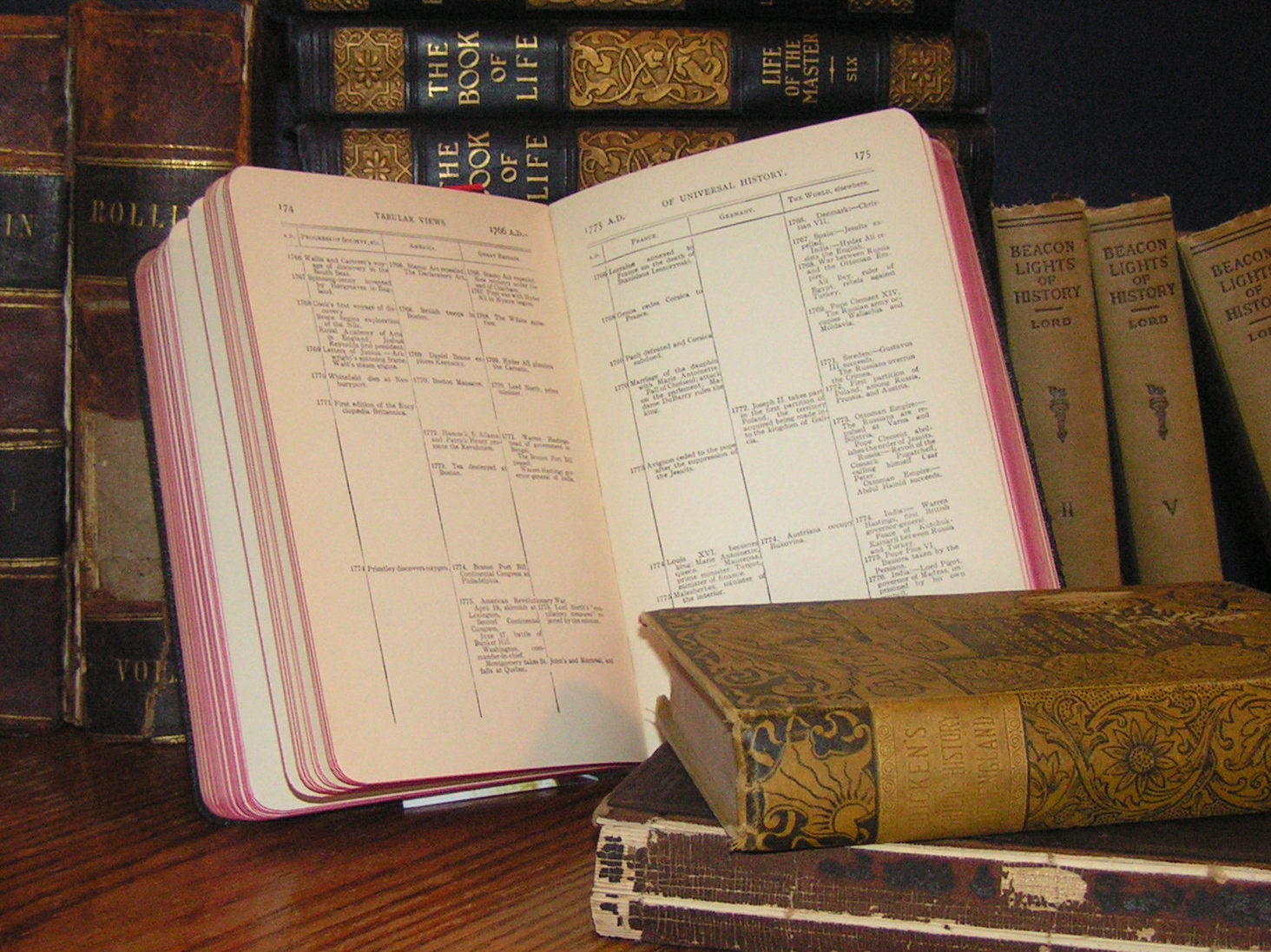
 I believe, more than anything else, it depends on the type of book it is – at least at this point. I think we will see 2 different markets emerge, and hopefully a third in the middle. There will continue to be the nostalgics (like me) who long to hang on to the printed word, and continue to buy print books. These love the experience and convenience of picking up a single book and flipping through it at leisure, or settling in and handling and reading from paper – easier on the eyes, easier to go through. I think this is especially true of “story” type books, biographies, histories, novels, etc. – in particular, longer reading books. Hopefully, as long as these people keep buying print books, publishers will keep printing them. I believe there will remain some people who are dead set against digital books, and will never read anything but a print book. So, I don’t believe paper books are going to go away, as long as this market is there.
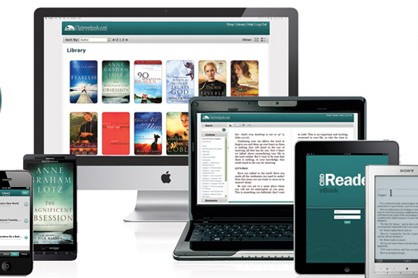
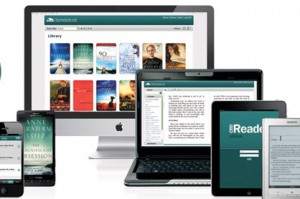 Another market we will see, as an extreme, pressing earnestly forward into the completely digital world, is those who don’t treasure books as (printed) books to be collected and passed down, but rather thrive on the digital technology and just use books for the present needed information. They see no purpose for continuing to print books, when everything can be read on a device. These will greatly increase the digital market, but I’m not sure they will do much to diminish the print market, as they probably weren’t huge buyers of print books to begin with. I believe the type of reading these 2 markets do, will determine which books survive in print, and which will be solely available digitally.
I believe reference type books, activity and work- books (if they can be interacted with onscreen), quick-read, and probably even ‘how-to’ books, as well as “short and shallow” books, will eventually go to almost entirely digital form. As our society continues to become more mobile – running to and fro – the ebooks are definitely going to gain. In fact, there is no doubt that ebooks are the wave of the future – not just a passing fad, but also hopefully not an underminer of the past. Hopefully, those of us on the middle ground, will keep good books available in both formats.
As for the homeschool market, although I hope all home educators will nurture in their children a love for printed books and at least keep a few dearly cherished ones, I know for homeschoolers who travel extensively or have large families and small homes, – and even small budgets (that covers most) – ebooks can be a lifesaver. I also hope that, especially with the growing availability and popularity of eReaders, that those who home educate digitally will realize that small, compact, lightweight, and digital does not have to be (and shouldn’t be) reduced to soundbite information seeking, bells-and-whistles inter-activities, and flashcard/workbook binary questions/answers. I am pleased to see more and more publishers making great books available in electronic form. I dream of a world where substantial, real books of mind-developing quality walk hand in hand with convenient digital delivery, without overthrowing the paper and ink business.
In the homeschool market, I also hope that the popularity of ebooks doesn’t do away with live homeschool conventions. Much as I love online conventions, they don’t take the place of physically meeting people and physically seeing and thumbing through books. So while I’m dreaming, I see the vendor’s booths at live homeschool conventions with computers or iPads for taking customers’ orders for ebooks, and the customers getting instant delivery to their devices.
As you can see, I’m on both sides of this fence. I love books of all kinds! I’ll take a “real” book in my hand, whether it’s hardbound, spiral bound, paperback, or e-ink – even audio. At this point I am happy for both print and digital books. I hope it stays that way.
And — Maybe I’ll go back to selling at conventions again. 🙂